
The Hidden Asset Class: A Framework for Buying a Business
Introducing our three-part masterclass for RIAs advising business owner clients: From Acquisition to Exit: The Comprehensive Guide for RIAs and Business Owners
Part 1 of 3: The Hidden Asset Class: A Framework for Buying a Business
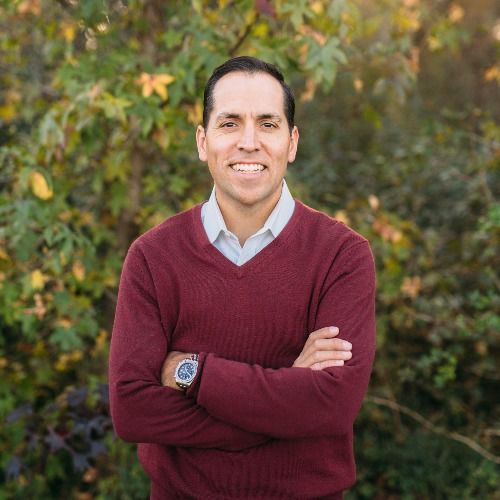
Most RIAs treat their client's operating business as a black box — reviewing it only when a liquidity event is imminent. But for business owners in the lower middle market, that operating company often represents 70–80% of total net worth. In this first episode of a three-part Masterclass series, host Andres sits down with Brad Gunter, Founder & CEO of High Point Advisory Group, to explore what it really means to help a client buy a business — and why getting involved early changes everything.
Brad brings a rare perspective: post-MBA experience at Deloitte's strategy group, M&A work inside a private equity platform, and a front-row seat to the advisory gap that exists below the $100M business threshold. Together, Brad and Andres walk through how to source acquisition targets (inbound vs. strategic outbound), why a Quality of Earnings report is non-negotiable — and how it can return 100x its cost — and how to structure a capital stack that protects the buyer without leaving the seller dead in the water.
Whether you're an RIA looking to position yourself as a true business growth partner, or a wealth advisor trying to have a more integrated conversation with your most sophisticated clients, this episode will give you the frameworks, vocabulary, and war stories to engage at a completely different level. The hidden asset class is hiding in plain sight — and your clients need you to pay attention to it.
Tune in for Episodes 2 and 3, where Brad and Andres tackle operating a business for value creation and preparing for a successful exit.
Takeaways:
- The wealth management industry often overlooks the operating company, which constitutes a significant portion of a business owner's net worth, necessitating a more integrated approach to asset evaluation.
- Institutional-grade oversight for lower middle market businesses involves rigorous financial reporting and proactive monitoring to ensure optimal performance and strategic decision-making.
- Effective acquisition strategies must be grounded in a disciplined 'Buy Box' framework, ensuring that targets align with the operational strengths and strategic vision of the acquiring company.
- The Quality of Earnings (QoE) analysis is essential in uncovering hidden financial realities that can dramatically alter acquisition valuations, thereby protecting the buyer's financial interests.
- Understanding the nuanced landscape of capital financing options, beyond traditional SBA loans and cash purchases, is critical for optimizing the capital structure and mitigating risks associated with acquisitions.
- Finally, assembling the right advisory team in a structured sequence is paramount; initiating with the RIA, followed by transaction advisors and legal counsel, can streamline the acquisition process and enhance outcomes.
To learn more about High Point Advisory Group and how Brad’s team supports the full lifecycle of business ownership — buying, funding, operating, and exiting — connect with him here:
https://www.highpointadvisorygroup.com/contact
To learn more about Gramercy Park Wealth Advisors, our alternative investment platform called EnduranceX, and how we assist business owner clients and RIAs - connect with us here:
https://calendly.com/sandate/aboutgpwa
Companies mentioned in this episode:
Transcript
Like to welcome everybody to another edition of ATL alts. My guest today is Brad Gunter from High Point Advisory Group. Brad is going to be a guest on the ATL Alts podcast for the next three episodes.
We're going to do a special masterclass series which I think for RIAs and advisors who are working with the owners of private businesses in the middle market, lower middle market. This is going to be, I think, a lot of content that's going to be very, very helpful and very valuable.
I had the good fortune of meeting Brad several months back and it was pretty clear right away that there was going to be a lot of opportunities for us to bring value to the RIA clients that are increasingly becoming a part of the EnduranceX network. So with that, Brad, I'm going to let you give an introduction. I'd like to welcome you to the Atlantic Alts podcast.
And before we jump in, I'd love for you to introduce yourself and give us a little bit of background.
Brad Gunter:Yeah, Andres, thanks for having me, first of all and for setting the stage there. As you mentioned, it's been a fun couple months.
Kind of get to know each other's services, figure out how on the EnduranceX platform we can kind of complement clients and really kind of provide that extra layer of value. I know you guys are offering a ton of services there. Again, really happy to be here.
I'll kind of start with my background and then go into just story of kind of founding the firm. I've given you the long version. I'll try to be succinct here. Essentially, my background post mba, I went into a couple consulting firms.
So I was in a QE shop for a bit, moved over to Deloitte Strategy Group, did a ton of M and A activity, corporate finance, and then took a PE platform head of strategy position, Learned a ton, ran M and A from, you know, going from a big four company down to the lower middle market was. Was very interesting, I'll say.
The shift there was instead of, you know, you're working with four or five professionals on a deal, maybe six, six to 10, you know, I was in charge of sourcing, negotiating, making introductions, basically walking down the hall to the general counsel's office to try to help pay for the terms. Right. So it's a very different experience at that level and frankly, I like that a little bit better. Right.
At the same time, I was looking for my own acquisitions, Right. I know it's pretty hot in the market for folks to do that post business school these days. I was looking at some fairly small transactions.
So I could start a whole co and use SBA purchases to kind of fill that thing up. Looked at a few independent sponsor type deals as well and ultimately got those two about the one yard line.
Kind of fell apart for one reason or another, another. But between that and the experience of the private equity platform, I had the same experience.
And that's the kind of gap in advisory services, the lower bill market. Right. I'm not going to say everybody in the big four is fantastic, but the floor is a lot higher.
If you come down to about the $100 million level, you can still find decent advisory services. You're going to pay for them, but you're going to find them. When you get down to 5, 10, 20, $50 million.
Businesses advisory services fall off a cliff. Right? From a diligent standpoint, the QE professionals I brought in were telling me that revenue goes up and down and cogs did the same thing.
So congratulations. Here's the quality of earnings, that's 50 grand at the kind of ongoing services. It really wasn't blown away with that either.
the private equity firm early:So we offered right size, quality of earnings, proof of cash and essentially just financial diligence services that are right size to the deal size. If you're doing a million dollar transaction, you don't need to spend 50 grand on a quality of earnings.
We can right size that and give you the right level of protection for the deal.
Pretty soon thereafter, partnered with an accounting firm and started offering fractional CFO services and again was frankly blown away by just how bad a lot of the advisory services were. Right. No disrespect to some of these folks, but you've got guys that were ex mid level corporate guys trying to give advice.
As a CFO in the lower middle market, it's a very different ball game. And wasn't thrilled with the service that we're doing.
So pretty quickly I got the reputation that firm of all the difficult clients came to me which was really interesting. I just thought hey, why not start this myself and build it my way. So fast forward to today. We've got the firm really up and running at this point.
We've grown extremely quickly over the last two years or so.
So we still got those transaction advisory services, be that buy side, sell side, QOE indigence, we, you know, help source deals we help advise on transactions.
The accounting finance vertical is quickly becoming probably our biggest player here, where folks are giving us, you know, outsourced, or they're coming to us for outsourced CFO services all the way down to staff accountants. Right. Our pitch there is really, hey, we're going to give you the right person in the right seat at the right price.
So instead of blowing 400 grand on a CFO that spends half their time doing bookkeeping, we can right s what those look like. And the other two verticals, just to kind of round those out, we've got strategy and exit.
We do a ton of exit prep for anybody whose clients are looking at an exit in the next couple years. The sooner you can get with somebody like Andres or yourself and us, the better we can prep them for it. And then lastly, capital advisory.
So we are helping folks raise debt and equity. And I know, again, that's kind of what Andres and I came together to talk about in the first place.
So, again, sorry for the long winded answer, but that's. That's us kind of soup to nuts.
Andres Sandate:No, it's great.
I mean, the great thing about doing these podcasts, you know, today is people can fast forward, they can rewind, and there are listeners that we know do both. And one of the good things about this conversation is that it's going to be the first of three, Right?
So what I would love to do is maybe give a quick layout of what we're trying to do over the next three episodes and sort of tease out what we're going to talk about today, what we're going to talk about in episode two, and what we're going to talk about in episode three. I've done one of these master classes before, and what I found with, with my guest in that particular series is the content kept evolving.
And as we finished episode one, we realized that we need to add in this for episode two and this for episode three. So the way that you and I, you know, frame this up is episode one is going to really be about buying a business.
And when you're an RIA or family office listening to this or maybe an individual that. That is thinking about, you know, what's the point of this show? Let me kind of cut straight to the chase.
You know, the hidden asset class is the title of the overall series.
Why your client's business deserves as much attention as their institutional portfolio, or why their operating business deserves as much attention as any, you know, six, seven figure, eight figure private equity investment in a fund structure.
And so that's the overall idea, is helping RIAs, family offices, advisors to those clients understand over the next three episodes how can this conversation provide you and, and equip you with the tools and the resources and the knowledge and hopefully the ability to connect with, with Brad and I. So that your client's business, right, that lower middle market asset, which constitutes probably 70, 80% of that client's net worth, right.
Gets as much attention from the standpoint of, you know, not only buying it, but also operating it and then preparing it for an exit. And those are all things that we're going to talk about over the next three episodes.
But in episode one, buying the business, we're going to talk to Brad through a series of questions over the next 45 minutes about how we set the stage and walk through how a wealth advisor specifically would go approach a client on the buy side and how they could assist as an RIA using, you know, a lot of the things we're going to talk through and even Brad's services at High Point Advisory Group, how you could help them through this question of how do I evaluate a target, right? How do I perform due diligence on a, on a target if I'm looking to acquire a small business or acquire a competitor?
And, and then ultimately there's a financing question, right? How do you finance that business? And so if you're an RIA or family office listening, you're saying, what does this have to do with me?
Well, if you think about as an ria, who is your client base? Your client base is a mix of individuals and families, right?
And then you probably have some business owners in there and you probably have business owners who are acquiring businesses or looking to grow their portfolio.
They might have real estate that might have an operating business, as Brad mentioned, a hold co structure where they have a diversity of assets underneath and then of course they have investments.
When people think about RAAs, they think typically, oh, the RIA's role, he or she is to do comprehensive financial planning, to do taxes, to do estate planning, to do risk management, insurance, to do investments.
But does the RIA really think about how could I approach this client and help them grow their largest asset over the next three to five years and prepare it for potentially an exit at some point in time? I don't know if the RAA has ever thought about that. And what we want to do today is talk through the buying of the business.
In episode two, we'll talk about operating the business to improve the quality of the business. And in episode three, we'll talk about prepping for that exit.
So Brad, with, with that said, kind of the, the three part series, anything you want to jump in and, and just highlight of things that we want to educate the RAA around, educate the advisor or family office around. Just before we jump into some Q and A and specifically around just this first, first set of topics around buying a business.
Brad Gunter:No, I think you set the stage extremely well.
What I would kind of mention here is the reason I Love partnering with RAs or other wealth advisors is we have the same client 99% of the time and there's zero overlap with what we're trying to provide or sell. Right. I'm never going to go to a client and say, hey, what's the plan to allocate the wealth?
What's the plan to kind of handle everything from a soup to nuts financials perspective? I refer that out when clients need that kind of service. When you sell your business, my expertise kind of ends.
So I think it's a fantastic partnership and if we can be a resource on any of this, please, let's use the next 45 minutes to get into it and hopefully the next couple sessions as well.
Andres Sandate:Yeah. So, you know, for us at Gramercy Park Wealth Advisors, you know, we're a duly registered RIA and broker dealer.
We launched our own internal affiliated alternative asset management platform.
And one of the things that we strategically decided to do right out of the gate was find advisors and specialists who could complement us in areas where we didn't have that expertise.
And so for Gramercy Park Wealth Advisors, even though we are a comprehensive wealth management shop, like many of the RIAs that we're going to work with and that are listening, we don't do it. All right?
And one of the areas that we definitely wanted to identify and partner with and specifically sought out, you know, a partnership with High Point Advisory Group was around assisting our clients, some of our most sophisticated clients and most complex clients around. Hey, think about it. You, you're sitting on a fifty hundred million dollar asset. But what if you want to grow it right?
What if the next generation wants to grow that business? What if you want to sell the business in three years?
How do we increase the value of that asset so that as an RIA, we're not deploying our resources against a $20 million exit liquidity event, we're deploying our capabilities across a $50 million liquidity event in three to five years. And I don't think anybody would want to pay more taxes than they have to.
So I think there's a whole bunch of issues that go into the exit prep and we'll get into that over that 36 month Runway in episode three, not to mention the operating aspects that you're going to dive into in episode two.
But let's jump in to, you know, talking about the, you know, the first piece here in episode one, which is really diligence and thinking about approaching a successful business owner. Let's say we have an operating company that, that a client has and is operating and running and it represents, let's say, 70, 80% of their net worth.
Yet the wealth management industry largely treats this as a black box. Right. And we, we know that from firsthand experience, right.
That a lot of times the, the client's not used to having the RA ask about the operating business. How's it doing? Right? Where are their operating efficiencies to be gained?
So from your seat doing transaction and advisory services and operating in that financial and accounting seat, what do you think RAAs are missing most often when they think about their client's biggest asset, the operating asset, the operating business?
Brad Gunter:Yeah, great question. And I think kind of treating it as a black box is the mistake there. Right.
I think, you know, as an ria, you should be checking in and again, not going to tell you how to do your job here, but I do think checking in at least quarterly, right. To say, hey, you know, can I see the latest financial statements? Can I see the latest reporting package? What KPIs are we tracking?
What, you know, what are we tracking to monitor progress here? A lot of times they're just going to look at you like, you know, hey, why are you asking me that?
Why, why are you looking at A, they, they may be, you know, not used to the RA or wealth advisor asking that, but B, it may not exist, which should be much scarier for everybody on the call. And Andres, maybe you can comment on this as well.
When you guys are planning for an exit, you think, okay, here's, I mean, simple way for valuation, multiple ebitda, here's the value I'm planning for. If they were to come to you two, three months before as they're going through diligence and say, well, hey, actually we found an issue.
We're dealing with one of these in the Southwest right now where they were about to get a $15 million exit, at least 10 in cash at close.
But because they didn't have WIP reporting set up correctly, they didn't have job costing and there was no way to track inventory, they're probably looking at more like $3 million and an earnout that will be paid over the next five to ten years or so, which is a very different looking liquidity event obviously than what you're planning for. So I would say that's probably the biggest thing.
I think that is the mistake of taking it at face value and not realizing the different components that are coming out of it. Right. You want to know, hey, I can generally expect this much cash at close.
I can generally expect if you earn out payments or a seller note to be paid out. But really just being able to accurately plan for what it's going to liquidate for is huge.
And I think again, just by asking simple questions on, hey, would you mind sharing monthly reporting statements with me? You're going to learn a lot right there. They probably don't have it right.
That's the experience I've found in a lot of I would say 10 to $100 million businesses.
And B, it's your opportunity really to tell them, hey, oh, actually I would ask these questions or we're happy to be a resource there as well saying hey, here's what you're missing and here's what we would like to put in. It's not a huge effort to put it in and maintain it today.
Where it becomes insurmountable is if you don't do it and you're at the exit table and it doesn't typically go well.
Andres Sandate:Yeah, I think that two words that come to mind a lot of times are reactive, right? The advisor is in a reactive position and then they're not integrated into the process.
And you know, we've, we've spoken to a number of professionals in this area, you know, who do M and A and a lot of times, you know, the bigger private, you know, banks or the bigger integrated wirehouse organizations, like one of the things they can do is they can bring that M and A expertise to assist a wealth team around an exit. Here's the challenge, right?
What happens when you're talking about the lower middle market and what happens when you're talking about a much more complicated situation? And let's say that the client doesn't have 50 million in investable assets, Right.
Let's say that the liquidity event of selling the business is going to create that.
Now you have a very reactive advisor that's sort of just waiting for the phone to ring for hey, when's a check going to clear one of the assets going to be investable?
And there's just too many advisors out There that don't take, unfortunately, that comprehensive approach and maybe just start early enough in that conversation with their client. So let's talk about how the institutional grade oversight. What does that look like? We teased that out at the beginning.
You know, when we say institutional grade oversight from a fund manager due diligence perspective, that's one thing.
But when you talk about an operating business, if, if High Point Advisory Group is in there, what does institutional grade oversight look like for an ria?
Brad Gunter:Yeah, well, rather than for the ra, I'd say probably for the business owner. Right.
But for these lower market businesses, what we lower middle market businesses, what we're really looking for is clean, accurate financials that close on time every month and are tracked from a reporting standpoint. Right.
So, you know, if we see this all the time, we've got large companies that we've worked with and it takes months to get on this calendar that are still struggling to close in 25 days. At that point, you're making a decision. Let's take this month, for example, right? Today is May, June the second. June second. Excuse me.
Yeah, run together. So let's take, excuse me, the month of May's financials, right. That month is done.
We want to take that data and we want to make decisions based on what happened in May. If you're not even getting that until June 20th or 25th, you're already an entire month behind.
There's such a lag in the value creation of anything you can actually do with that. Reporting it, frankly could a. From a general operation, maybe we should say that for episode two.
But it kills anything you're going to push forward or implement in the next month. You are simply dragging it out much longer than it needs to be. Right. Let me check my notes here on a couple of.
Andres Sandate:That makes sense.
Brad Gunter:Sure.
Andres Sandate:Yeah, that. No, that makes sense.
And I, like you said before, I mean, from the RIA's perspective, hopefully you're the recipient recipient of that institutional quality reporting. Right.
You talked about at the beginning at least having eyes on, you need to have quality, you know, quality reporting in order for the wealth advisor or the intermediary like us to be able to hopefully advise on it. So that's critical.
Brad Gunter:No, definitely true. And I mean in this case, the RA is more on the sell side, advising their client, waiting for this to transact.
We're in a unique position at High Point. Right. We do buy and sell side QoE. I can tell you exactly what people are going to do if they find it. Right.
We write these quality of Earnings reports all the time.
If I find something, if there's no reporting, if you're not logging these things, there will be adjustments to A, the multiple and B, EBITDA based on all of this. And it's going to cost you dearly at that point. Right. It gives me no joy in doing that, but that is the reality of the situation.
It's going to drop it down if we can at least have the conversation today and prep it for the next two years. Your goal as an RIA should be to sit there beside your client at the closing table and say, great, here's the price.
And we've gone through diligence and it was, it's always going to be slightly adjusted, but it was largely untainted. As we go through it, there were no major findings and great, we're exiting at the terms that we were expecting.
Now we can actually use the, the loss harvesting the qsb, everything we were putting in place to prep for this event kind of flows seamlessly. A few other things. It's not all reporting, right.
It's, you know, you want a clean cap table, documented org structures clearly want to have, you know, personal and business expenses separated on these types of things. If there are multiple entities, you want a clear capital allocation framework.
We like to think of this on what we call kind of the institutional roadmap here.
We've coined a couple different terms for it, but phase one on that, like if you really think about how a business or portfolio develops from an operating standpoint at phase zero, you'd need an OPCO spinning off cash. Without that generating cash, there's no reason to have a wealth advisor.
There's no reason for an ria, there's no reason for any of the rest of this to be put together. You need the cash flow generating machine first, right? Then you get to phase one where you get that portfolio visibility.
You can actually tell here's exactly how much we're making and you can start making decisions based on it.
Phase two is where you get to the capital and decision framework where we can say, okay, great, let's use a recent one we did is a general contractor in Vancouver we just worked with. Right. They're spinning off money now to the holdco. Great, now what do you do with it? And they just kind of looked at me.
It's like, well, are you sending half of it to the RA to invest or are you redeploying that and buying other businesses? Either is fine.
We need to get to a strategic meeting of the minds on what to do with this so we can intelligently and tactically go take these things down. Right. If, if you're telling me I have 200 grand to work with from an M and A standpoint, great, that's fine.
That's very different than we've got two or three million dollars a year to, to play with on the M and A front. It's a little bit different.
The last one I'd say is kind of the optionality and scale is where you get to actually, hey, here are different entities and if we want to take in minority investments or anything, any of those, we can without distributing the portfolio. So that's how we kind of see the life cycle there and how we, we think through it.
Andres Sandate:Yeah, makes sense.
One of the things that I'd love, love to, for us to dive into, and this is a core part of the work you guys do at High Point Advisory Group is the quality of earnings. And it kind of speaks to, you know, what are we paying for a business?
So, you know, we talked about where the ria, the advisor can fit into this conversation and sort of being early and being strategic so that in order for that client to be thinking about the RIA as somebody who wants to be a coordinator, wants to be involved in playing offense versus this individual always just wants more assets to invest or just wants to focus on selling more insurance or selling, you know, me, some other wealth service.
It's different if the RA is positioning themselves, you know, he or she as I want to be integrated and I want to assist you in going to play offense to grow your largest asset. Right. Or add assets to your Holdco structure. So let's talk through that a little bit.
Most owner operators rely on inbound, you know, and if you're an owner operator, maybe you could walk through what is the process for wanting to go acquire a competitor or wanting to go acquire a business look like? And how does a, what does a proactive kind of more institutional grade process of sourcing look like?
And where does the RIA fit into that conversation?
Brad Gunter:Yeah, great question. So I'll tackle that in kind of two parts and let me know if that's not helpful.
But the way I think about is, I mean, hey, here's what we see most of the time. And let's take a, you know, a simple example. A guy, a guy owns Laundromats, right? Something simple that. Let's use a very small example here. Great.
There's a Laundromat ten minutes from here. The owner has come to him and said, hey, would you like to buy this When I'm retiring. Right. That's happens all the time. It makes sense.
That's a, you know, a happenstance inbound lead at that point. What you would do there is you would evaluate that company, come to terms, you would enter into due diligence then.
And I can talk through kind of where the different parties kind of play into this as well, because there are quite a few professionals you're going to want to employ doing this to make sure we do this responsibly. You enter into diligence, pay for the documents you transact. Right.
And that's probably a very simple asset based transaction, probably involving some type of real estate on that side. Any questions on that one before we move?
Andres Sandate:No, I think that's pretty straightforward. Yeah. Most of the people that own businesses know their peers and they know who's looking to sell. Right.
When there's some transition that's going to take place and they might likely get a phone call and there may or may not be an advisor on the other end or a broker involved.
But a lot of times, you know, if you've been successful in operating a lower middle market business or middle market business, you know, your competitors.
Brad Gunter:Yeah, yeah, people, I would imagine all of these individuals with, with the data information and what's available online through different platforms these days, they're getting inbound messages all the time themselves anyways. So they know this is a market that's out there. No, that, that makes sense. The, the other way you can do this is to get more strategic on it. Right.
So rather than just, you know, hey, I go to a conference a year and somebody said, hey, I might sell in three years and in two years they say, hey, let's, let's do it now or let's, let's talk through this, you're probably gonna get a pretty good deal there. It's gonna. Well, let me back a little further. Let's talk kind of pros of using a broker and M and a professional and not. Right.
You're probably going to get a better deal on the buy side when it's just, you know, hey, you know, I'm Brad, I want to sell my company to Andres. Let's work this out and move on from there.
It's kind of like if you're the only person bidding on a house, you're probably going to have, it's either a yes, no binary decision on the seller's part. Right. It takes time though, right. There is no guarantee.
There's no, there's often no one on the other side that's helping walk that person through the process. So they don't know, oh, it's time to go get a lawyer. And they are going to very likely be constantly delayed through that process.
It's going to take longer to transact. Things are going to drag out because there's no professional who's oftentimes part of a counselor to get them to the table and get this done. Right.
On the other side, you are going to pay fees for M and A advisors, brokers and the like. That said, there's somebody that's already kind of worked them out to market price, right?
So if, you know, let's say we're using a 5x multiple, it's $400,000, very small business, $400,000 business, great. It's going to generally sell for $2 million.
If in their mind they think it's going to sell for 15 million, there's not a lot for you guys to talk about because they think it's worth 15 and you think it's worth 2. And there's no one that can really set the market for them other than time. So it's going to take a while.
So when you have the advisor in place, they're going to have a long, hard conversation with them before it ever hits the market because frankly, most of them aren't going to be paid much until it sells, so they're less incentivized to take the transaction. So that's how I think about there for a more strategic outbound presence. And we help a lot of companies with this as well.
You really want to sit down and nail down your buy box, Right? If you are, again, the laundromat example, you're probably buying other Laundromats or vending machines inside the laundromats.
If you're a construction company, buy a fencing company, buy a grading company, buy something that will help you vertically integrate or horizontally integrate. You want to play to your strengths. You know, I did my MBA at Georgia Tech here in town, and I go back and talk to their entrepreneurship club.
You get some people that are like, great, I want to buy a medical office and I want to buy a car wash, and then I want to buy a software company, and I want it. That makes absolutely no sense. Once you've taken that, it's a tremendous amount of work to become an expert in any of these industries.
Once you've done that, keep applying that expertise and really leverage that skillset and the platform you built to go from there. So what we do is we go in and sit down and kind of nail down that buy box. Right.
It's usually a pretty quick conversation saying, hey, here's where you're at. Here are the characteristics we want. And then we can go use a number of proprietary tools and start identifying those companies. Right.
A recent one was, hey, I want laundromats in the New York metropolitan area. Right. I can tailor that down by zip code. There's 170 of them.
And I can put an email in every inbox, and then our team can start calling them to touch base and start doing this. Right. The only question is, how fast do we want to go? And how much capital do you have to deploy on this? Right.
That goes kind of back to the example of, is it 200,000 or 2 million that we're deploying for M and A right now? Obviously, with some leverage, but how much equity do we have to play with? That's where we can start thinking about the pace.
So in that scenario, what you're looking at is more outbound. The downside on that one is there are a lot more meetings. Right. Everyone can automate the email. You can hire a team to do the phone.
What takes time is when a lead comes in to have that first conversation where you're saying, okay, great, based on your numbers, we think we could offer in this range. Are you interested? Yes. No. It's probably an hour conversation each time. Unfortunately, you can't just come out and say that.
You've got to build the relationship and go from there. And that's where it bogs a lot of people down on the more strategic outbound.
And which is why we do a decent bit of that work, is because we have the professionals that are trained to conduct the outbound, have the screening interview, and then present the winners to you where there's a decent chance they chance at that point.
Andres Sandate:Yeah. So let's circle back.
I mean, for the purposes of, like I said, the audience, we have wealth advisors, and in the context of saying, maybe my clients are thinking about me as, maybe I'm a cfp, right? Maybe I do a lot of, like, really comprehensive financial planning. Right. For the client.
But have I ever talked to the client about, hey, do you want me to assist you? Can we go play more offense? Is there a way that we can grow your business? Does the client even think about you, the advisor, in that context? Right.
And I think what Brad's describing and what we are doing through the series is helping equip the advisor with, again, the.
The tools the resources, the knowledge, the insights, and hopefully some of the examples and war stories of how this partnership can help you to grow the asset that could constitute, you know, 75, 80% of the, the net worth of your, your most sophisticated clients. So let's dig into, you know, when, when we hear the term quality of earnings. This is where the money is made.
Like you said, you've got to have an asset that is throwing off cash flow to the hold company, to the hold co. Right. In order for any of us to really have much to do. Right.
Especially from an RAA perspective, we all want to manage more assets, but if, if our clients businesses aren't growing and there isn't going to be, you know, more assets coming in. Right.
Most RAAs are probably meeting with those clients monthly, quarterly, maybe even semi annually, and then waiting right after they set up the financial plan and monitoring. And I'm simplifying it a great deal.
But, but a lot of times the lifeblood of an ria, especially an independent ria, which is our sort of focus with, you know, partnering with, with those RIAs at Gramercy and Endurance X, they're growing through adding more assets and adding more families and adding more business owners. So you've talked about QoE a little bit without naming names. You know, maybe start with a description of what QOE means.
What are those services at High Point Advisory Group. And then I'd love for you to give a war story.
You talked about this discrepancy between what an owner thinks their business is worth 15 million and what, you know, if you were advising a buyer. Right. Putting yourself on the buy side, like we think it's worth three. Right. Then there's a discrepancy.
But maybe give an overview of what is qoe, how you guys assist in those specific services and how, you know, you've just seen some war stories out there where you've saved your clients a lot of money or helped your clients find a hidden gem.
Brad Gunter:We might need another episode for this one, but happy to go into some of that. That. Okay, so just to quickly define a quality of earnings report. I mean, you're, you're literally analyzing the business.
Typically an offer has been made at some point. You are, you are basically normalizing EBITDA or profitability of that business going forward. Right.
So a lot of people get it mixed up with an audit versus a qe. There's a lot of different tools and they're both important in audit. Just quick, just to make sure everybody can understand the difference here.
The audit is more of a compliance exercise. Is this company following gaap? Is it following in those rules? Right. Equality of earnings says, okay, great.
Here's the historical data using that, using management interviews and our own diligence approaches. What is that EBITDA going to be carried forward? Right. What is it going to be today? So I'll give an example here.
I'll just kind of take the buy side lens first, which is a pretty common way to do this. Folks will hire us and say, hey, you guys do this all the time. You're an expert in this. Come inspect this company for us. Essentially. Right.
There is a mental health practice in the Mountain west that we did one of these on very recently. Smaller purchase. It was about $500,000 in EBITDA 4x multiples. What they'd agreed to $2,000,000. I think the original list price was maybe 2.5 or so.
Well, when we went in Immediately, we saw Q1's numbers and it had dipped. So we were already a little suspicious looking at this and we started diving in. We realized a couple things.
Andres Sandate:We.
Brad Gunter:One, Medicare, Medicaid had cut their rates pretty substantially. Okay. And that's not going to show up in an audit. That's not going to show up in you reviewing their financials. It's just, hey, something's different.
What's causing that? Okay. Secondly, they also had, they had kind of a track record, a little bit of turnover.
But what keeps happening is as soon as these practitioners get their license as a licensed therapist, a lot of times they were taking their book of business and walking away. So what was happening is they were basically staying there, building their book and then walking away.
And unfortunately, in this business, there's not a lot you can do to maintain the patient. The patient doesn't follow the brand name. It follows their provider in this case. Right.
The other thing is, I mean, they just dropped marketing expenses pretty substantially. Right. And we're trying to claim, hey, well, marketing is an abbot.
Well, if marketing, if we cut marketing, we can literally see what's happening in the numbers.
So when we normalize for those three things, there were others, but without getting too specific, those three, it went from a $500,000 EBITDA to about $200,000 in EBITDA, which is substantial. It's about a 55%, if memory serves me correctly, don't quote me on the numbers there, but it's a substantial drop off in EBITDA at that point.
On a $2 million purchase price, you can't even service the debt. Right. I mean the majority of transactions. That's we can get into kind of the reasons for a transaction here. I think that's important to touch on.
Without being able to leverage the acquisition, why would you buy this business? At this point, your return on equity is going to be next to nothing. So we take a different approach than a lot of buy side QE providers on this.
Our goal is never to simply blow up a deal. We want to go in and show, hey, we'll still transact. Here's the scenario, right? In this one it was pretty simple.
We're going to reduce the purchase price from 2 million to 800,000. And because of the decline, it's probably going to be over half in a seller note, right?
We don't love that for the seller, but our clients on the buy side and that's the diligence we had to provide. That's a mat. Now they're upset because the transaction did not go through. Not upset, obviously.
Disappointing for the buyer that the transaction doesn't go through.
At that point we cut our diligence off and honestly ate the other half of the fee because we didn't have to go through the rest of the quality of earnings exercise. So I mean, they spent a measly 10, 15 grand and essentially avoided an absolute landmine that would have wrecked their personal portfolio.
From an RIA standpoint, in that scenario, you go from expecting, oh, they're going to operate this business and I'm going to have a large liquidity event to move these assets into other asset classes. There goes their entire portfolio at that point in one blink of an eye. So I think quality of earnings is extremely important.
Quickly touching on the buy side of doing it, we go in and we conduct a review ahead of time. We partner with a number of investment banks to come in and do a sell side quality of earnings larger M and A. So not really brokers.
Most brokers don't want to do this, but M and A providers bring us in and say, hey, we will pay you ahead of time to do the quality of earnings. And that way it saves them the year of putting the business on the market, knowing it's going to blow up in diligence anyways.
The other beautiful thing that we can provide, again, most folks are not happy to hear about it at first, but at the end they thank us if we find something that's going to blow it up. Yes, you can't sell today or sell at the terms you would like today. But we can work with you to address those issues and move through it.
So typically, I mean, a typical scenario here, let's say we find there's one we're doing right now, we found about $200,000. Call it maybe it's a roughly $3 million EBITDA business. We're going to mark it out at least 200,000 on one thing we found yesterday.
It's at a 6x multiple. Okay. By them paying us, I think this is one of the more comprehensive ones. We've done 30, $40,000.
They're now going to save 1.2 million on the purchase price because everything gets multiplied and we're able to mark that down. So those are two fairly recent examples. I've got countless we can go through. But any questions there? Does that make sense?
Andres Sandate:No. I think those are great illustrations of what's happening out there in the market with your clients.
And I think to circle back again, I think it's important just to bring it back to where this matters for RIAs. Right. And why this matters for folks.
Listening is when people think about an RIA and they think about an alts platform, you know, what we want them to think about with Endurance X. Right. And this is our promotion, is we're not here to just offer alternative investments in private market strategies.
What we're here to do is help the ria, help the family office, help the multifamily office with more tools, more resources, more professionals in our immediate network who can add value to their practice. Right. And hopefully the investments, yes, there's some unique and differentiated investments in our platform.
But beyond that, we are adding all these additional services that we think are very strategic and can be extremely tactical and accretive to those RIAs and to those family offices. And I think, you know, you're illustrating that. Right? So positioning the RIA to play quarterback, to play, you know, to be in the offensive huddle.
Right. To say to the business owner, hey, I see that you, you know, want to really grow, you know, your assets.
And we can do that through investments, and we can do that through, you know, following the financial plan. But we can also now think about, hey, we've got a partnership with a group that can help us go out there.
And if your business is throwing off $2 million a year, we've now got a resource, you know, that we can, we can deploy against looking for those targets. I mean, think about the value that the RIA is bringing to the conversation with the client when, when they can make that introduction.
So, but I want to, I, I want to talk about where owner operators make the mistake. Because let's just say they are looking at an asset, they're looking at a business. And they say, well, I've been in this business 30 years.
What could Brad's group possibly provide that I don't already know? I know all the tricks. I know what these businesses typically do. I know where they're hiding things.
So why is that mindset of an owner operator and more specifically like how can an ria, how can a family office like help to enlighten that owner operator around? Hey, just be open and receptive to a conversation. Why is that difficult conversation so important for these owner operators, right?
To, to, to, you know, just give you a, give you a shot.
Brad Gunter:Yeah, no, very fair. So I think to understand that you kind of have to start with like just generally why people would pursue it.
And I think this is great for RIAs to just quickly articulate with clients as well, reasons to conduct especially bolt on and smaller acquisitions when you've already got the platform ready to rock. Speed.
Andres Sandate:Right.
Brad Gunter:If you can just add a book immediately or you can add, you know, new products, whatever, whatever it is, it's always going to be faster to add. Start from scratch, period.
Andres Sandate:Yeah, yeah.
Brad Gunter:Two is the ability to leverage all of this right in, in this age.
And I know we'll get into some of the different tools we have from a financing standpoint, but being able to apply debt to something you know is already going to cash flow, you can use that asset to pay for itself as long as you maintain steady state. The beautiful thing there is you don't even have to grow it at that point.
If you simply service the debt, pay off the debt, move that down, that's pure equity. You're putting in your profit and, and you're building EBITDA from that standpoint.
And then the last thing, just to make sure everybody's kind of on the same page here. And I know we're, you know, a lot of folks on this call are going to be finance professionals, so they're going to understand this.
Maybe I don't need to say it right, but I think multiple arbitrage is something huge that the average owner doesn't understand. If you are buying a general business, let's say it's four to six times EBITDA. Okay? It's under a million bucks. Four to six times EBITDA.
When you start crossing that $2 million threshold, you get into private equity, you know, smaller private equity platform territory. Right. Think about it from their standpoint. They've got a large pool of Money they're needing to invest.
They'd rather write 100 million dollar check than 101 million dollar checks. It's, it's more attractive to them to invest in those companies. When that happens, the bidding gets more competitive and multiples shoot up. Okay.
So when you cross that 2 million EBITDA range and keep going north of it, instead of four times your ebitda, you might get five or six at that point. Please go to every single one of your clients and at least explore a conversation.
We will join and have a conversation with almost anyone free of charge. The big thing here is if you can buy somebody's book of business at a forex multiple simply.
Now, integration is a bit of a pain, but if you could integrate that immediately, it's worth six times. Yeah, you've just doubled or not doubled. That's two terms on EBITDA you've added simply by bolting it onto your platform and going from there.
Andres Sandate:Yeah, yeah.
Brad Gunter:Now where people, I would say, make mistakes here, especially when it's in an industry that they're familiar. So one, congratulations, you're, you're staying on the straight and narrow. You're buying something that you're an expert in. That's amazing.
So I'd actually encourage this. Most of the time what you can't cut, what you can't see is how the accounting is actually being done.
You can't see if that cash flow is actually hitting the bank account. You can't see. I mean, you can request the data. We need to get into customer concentration. We need to get to key man risk. Right.
I looked at a business maybe three or four years ago that they were trying to sell and beautifully fantastic business. They had concrete pump trucks, concrete operation. They were doing close to 2 million in EBITDA or so we're selling for a pretty reasonable multiple.
I asked the question, hey, who does the sales? Oh, I do. Okay, well, how do you get those leads? I went to high school with all of them.
Andres Sandate:Yeah.
Brad Gunter:That can't transfer, which means EBITDA is going to drop off a cliff or you need to address it. Right. At that point, you can still give them their price and change the terms.
Where that gentleman's got to stay with you for three years and, and is incentivized to transition all the relationships. Right. So I would say another big one is just you don't get too cocky going into these.
It's more, the sell side is always going to know more about the business than the buy side is.
And it's our job to quickly get up to speed so we can have an intelligent meeting of the minds on terms that de risk our client, a big one, is just doing a proof of cash analysis on these. That's where we start. Non negotiable.
With every diligence that we do, at the end of the day, we want to make sure those internal financials, especially cash basis internal financials, are hitting the bank account. If that's not hitting, we're going to quickly find it. Unfortunately, we don't have time to go through every GL item over the last three years.
We're going to be able to say, whoa, in June. Those numbers don't match what happened in June. And that's where we find a lot of this stuff. Even on. I'll use a silly example.
We did a set of coffee shops maybe two or three years ago and essentially they were recording SBA loan proceeds as revenue. Right. So if that gets included, now you're paying a multiple on that loan of $50,000. So say it's 4x, great. You just added an extra $200,000.
That's not there. Right. There are countless kind of examples of this, but it's more. Yes. You may know the industry, you may know it's an attractive business.
The nuts and bolts of the accounting and what folks can do, especially creative local CPAs to manipulate some of this stuff for tax purposes. You need someone who does this all day, every day and can look at it in order to make a difference.
Or you need to accept the risk that this thing could blow up or underperform a bit.
Andres Sandate:Yeah. And I think that where an RIA again can add a lot of value is having that conversation well in advance.
When you have an entrepreneurial type client, they've made it clear that they intend to continue to grow and buy and sell businesses and assets.
Have that conversation early position the RAA alongside an expert like High Point Advisory Group of saying, hey, we can put a framework together very quickly. You can tell us what kind of cash you're throwing off.
We can then step in, we can have those conversations very efficiently with the right potential targets. And, you know, it's very systematic. One more question before we talk more about the financing to finish this first episode.
Because, you know, we need capital in order to close these, these potential acquisitions. But I don't want to scare all the owner operators, you know, out there and certainly through the RAAs. Right. Are a big part of our audience.
When you finish a QOE and tell a client this is a great acquisition. Right. What Are what are you seeing in the numbers that makes it, you know, a really terrific opportunity.
I mean, the business owner is going to know in their gut, like, hey, I can turn this around. I can improve X, Y and see, I've got the background, we've got the systems, we've got the people. You know, we can turn this into a winner.
Okay, but what are you seeing Maybe in the QoE that you do in the numbers where you're saying this is a great acquisition. Right. It's not all war stories and horror stories. It's also like, hey, this is a great asset and you guys should go for it.
Brad Gunter:Yeah. It's going to depend, frankly, on your client as well. Right. You mentioned a turnaround case.
If you are buying your first business or you're expanding into a field, I would almost never suggest buying a turnaround. I'm okay buying any business. Right. I'm a firm believer every single business is transactable out there.
The terms need to reflect the risk that goes through it. Right. So you're talking about one that, hey, we can turn this around. We can go through everything. Great.
Pay them for their assets and then give them an earn out on the upside. And if they're that confident things are going to turn around, they should be happy with with that offer.
Otherwise, we've got to come up with a number in cash or cash at close with with some debt that reflects that and they're not going to like that number. Right. So it's all about, I would say not a quality earnings, I would say is the opposite of black and white. It's all gray all the time.
Or you need to essentially adjust your offer to match the risk that we have uncovered or the adjustments here. So that's really how we think about it. You're talking my dream acquisition. What we would find, no clients, more than 5 to 10% of revenue.
We've got a sales team, we've got an owner who's truly running the business as a CEO and could transition. One of my favorite questions to ask is, oh, great, when's the last vacation you took, who ran it?
And you can pretty quickly figure out if, oh, you know, he went to Cabo for a month and that was in June. Voila. There's a huge lag in the pipeline for revenue because the sales guy stopped working the phone for that month.
So you've got to get to the point where we're there and obviously if the financials all check out on this, they're never going to be perfect. They're never going to be perfect. Which is again why it still cracks me up when people don't want to pay for a quality of earnings provider.
Let's use an easy example.
If you're buying something at a, you know, 4x multiple, all I need to find is $5,000 worth of adjustments and I've paid for my fee on a $20,000 quality of earnings, assuming it's light. Right. Literally 5. And we find much more than that most of the time going through this.
So I would say the ROI on these is usually over a hundred percent.
Andres Sandate:Yeah, I was going to say it's it, it's in the name. Like when people hear qoe, I think we, we can easily in finance be guilty of making this way more complicated.
At the end of the day, there's quality in all sorts of things. The difference is the level of it.
Brad Gunter:Right.
Andres Sandate:The earnings can have very high quality and therefore probably attract a higher multiple and a higher price that the seller can command.
If the earnings quality is low and there's all these add backs and there's all these customer concentration and the CEO is the revenue generator and is the head of quality in the manufacturing side of the business and has to be everywhere, maybe not a robust team. I could see not being an expert in this area, that the quality of those earnings might not be as high. I mean, it's pretty intuitive.
I want to spend the last five or ten minutes talking about two final areas. One is financing the business.
And this is an area that RAs and those listening will probably enjoy just because it's a perspective that's a little different. On the RAA side.
We're so used to just hearing all these pitches from direct lending, middle market, direct lending fund managers that are saying, hey, we're financing all these private equity acquisitions. And really what they're doing is they're providing capital to a direct lending fund.
That direct lending fund is going and financing a private equity firm who's doing, you know, acquisitions. I want to get more into the world.
You know, that High Point Advisory Group operates and I want to set this up by just talking about, you know, when an owner operator thinks about financing and acquisition, you know, the two areas that you hear most often are let's use the cash on the balance sheet and let's go get an SBA loan. Right. Both are usually wrong, actually, it turns out.
So walk us through why and what, what does the real menu of options look like for an owner operator that's financing a business?
Brad Gunter:Yeah, that's a great question. Sorry I don't mean to cut you off there. Great question. I get excited when people ask me this kind of thing.
If you are a first time buyer, you have no portfolio and for frankly be shocked if you had an RIA at that point. You've got 50 grand from your uncle and you're trying to take down something to grow it for yourself. That's awesome.
The SBA is meant for you at that point, right? You are, yes. You are pledging a personal guarantee, but if you have no personal assets that they could take at that point, fantastic.
Leverage it to the extent possible and go for it at that point.
Andres Sandate:Right.
Brad Gunter:Most of your clients have some type of wealth, right? I mean, I would imagine there is a minimum on this call and there is something certainly to lose. So why would you put that at risk at that point?
Right. With that in mind, the SBA is not always wrong.
But if they're going to take a personal guarantee, which often they do, they're collateralizing your house, they're collateralizing other things, it's not ideal. Now, there are some scenarios. It makes sense, right?
If you find, let's say you're operating accounting firms, you're operating CPA firms, there's a beautiful program with the SBA that is the expansion lending option. They will finance 100% of an expansion loan and the personal guarantee comes off after about two years.
On the last one of these that I did, don't quote me on that, but it's roughly two years. So it does get eliminated. As you scale. If you already know, hey, I'm just buying a book of business.
This is extremely accretive and it's going to be added to my firm. The risk might be worth the reward there because you're not putting anything down on that, that piece on the other side, or.
Excuse me, let me back up a little bit further. Nail it. Right now, the limit on the total amount an SBA lender will lend is about $5 million as well.
So you're extremely limited on the ceiling of your acquisition. That's actually been approved to change later this year.
I believe it's June or July where that's coming through and it's going to be elevated to about $10 million. Now, I'm not sure how popular that will be. The SBA is a pain. It's notorious for that. It's a government backed banking program. Right.
It's not exactly known for its efficiency. It's going to take you 90 days to close and there's still again, this, this large personal guarantee on the back of it. But that is also an option.
Cash on the other side.
Typically I would never advise somebody to buy something all cash unless you're, you know, if everybody's situation is different, the whole point of doing this is really to leverage your assets with some combination of that seller, note something else and move forward. Frankly, it's probably best left in the hands of your RIA at that point, you continue generating wealth and moving on from there. Right.
Certainly from a risk adjustment standpoint, I would say. So what you want to do is take the right, the sweet spot of debt and equity to do this right.
So if we're not going sba, there are a number of tools you can use. You can use senior debt, mezzanine, or subordinated debt on top of that to bridge the gap.
Seller notes are extremely popular and I would imagine a lot of folks that are advising, you know, a first time founder that's been operating. There's one gentleman we helped in Birmingham, he owns a series of hardware stores. Okay.
One of the competitors in town said, hey, I'm, you know, I'm getting out. Do you want to do this?
And he said, yes, let's do a seller note over the next five years and that will pay you out your retirement and everything else. That's a no brainer, right? There is no, I would say typical stack. It depends on every situation.
And again, these tools are going to be used to meet that risk profile. But I mean, a standard one. Let's say, you know, you're looking at a $50 million acquisition.
Let's say maybe half is senior debt, maybe maybe a quarter is mezzanine or subordinate, that and that kind of thing. Then you're looking at a couple different tools which I love to incorporate an equity role to keep the seller interested. Right.
Make sure that seller wants to pick up the phone if you have questions or need them to call a customer. Customer. So a lot of times they'll roll equity for that second bite at the apple. Seller notes are big. Earnouts are huge. When you're. Sorry.
The other thing I'd get into is when you're not dealing with the sba, they're very prescriptive in what you can or can't do. When you're dealing in seller notes, it's a whiteboard, right? We can make this whatever we want.
We can say, hey, if EBITDA is less than a million bucks, then the purchase price is one number or it's $3 million. If it's, if it's more than 1.5, it goes up to $5 million or you can get much more creative to bridge gaps.
And that's typically what we have to get involved in with quality of earnings is when something comes up where there is now a gap to bridge. It's how do we do it? Where the seller is adamant, hey, the business is worth this. And we say, that's great, but I can't take that risk.
Therefore we've got to bridge that with something. That's where we fill in the gas with these types of tools.
Andres Sandate:Yeah, I think that's where RIAs can be very tactically specific with knowledge, awareness and being at the table over the years with the owner operator who's your client. Right.
So that you know not only their mindset and their instincts and their ability to handle these acquisitions, but also knowing hopefully the RAA has relationships out there like our firm.
We, not we are not only an RAA broker dealer in the classic sense of doing comprehensive wealth management, we also use the broker dealer for capital markets. We have an investment banking team.
We, we are routinely talking to the capital markets, both equity and debt, and in between around financing conversations for our clients.
And I think that that is a tool increasingly around providing liquidity, providing financing solutions, providing lending solutions that an RIA really can be adept at and be equipped from a tools perspective and relationships perspective.
So that when you and Brad and his team go and have that conversation with an owner about building the capital stack, you can pick up the phone and you can have conversations.
And that's really taking the RAA client relationship to a whole nother level because you're not having to go necessarily outside, if you will, the tent in order to deliver solutions, in this case the financing to close, you know, on the acquisition at the agreed upon on price. One other thing I want to talk about is just, and, and we're going to unfortunately run, run out of time.
But I want to talk about just, you know, sort of before we get into segment two, which is going to be operating the business now that we've acquired it and we're operating, I want to tease it out and say, you know, for those RAAs who are listening and they have a client who's looking at an acquisition right now, maybe you could just outline briefly to finish up this first segment, what does that sequence of advisors look like? In what order? Like, does the RAA need to go in there first and have this conversation with the owner operator client?
Do they need to bring you in on the conversation right out of the gate? Like, what does that look like who's first and what are the mistakes? And that'll unfortunately just limit us on time for episode one.
But I think it's a great way for us to tease out and talk about what's coming next in episode two.
Brad Gunter:Yeah, just quickly summarizing that here, because I know we got to go fast. It really depends on the situation. Right.
If I'm a big fan, even in my seat, from an M and A advisor and a fractional cfo, I mean, I'm going to be the client's trusted advisor.
And if I recognize a need for something, be it evaluation, be it an ra, be it any number of services, that's where you need to be prepared to step in and say, hey, we need to hook you up with this advisor, or you're really missing this skill set. And here's the tangible value there. Now, it depends on where they're at in the process.
If, you know, if you're looking at somebody saying, wow, their business is streamlined, it is very efficient, and they've got a couple years of Runway, we should start acquiring companies and then exit at a much higher price with multiple expansion. That's where I would suggest having a first conversation and maybe bringing us in to talk through it.
If there's already an acquisition on the table, if a colleague or a competitor has come to them and put something on the table, sometimes you kind of skip that step at that point. Right. If you are looking for acquisitions going through that, I would say also, please include us in a conversation.
We're happy to talk through how we can expedite that process and really pour gas on the fire to really get this thing going. If you're serious about acquiring, sitting back and waiting for someone to come to you, probably not your best bet.
Now, from an advisor standpoint, someone like High Point or another outbound firm, there are some firms that specialize in only this. Be a little bit strategic on who you engage with. There are some firms that simply send mass emails and then flood you in leads.
If that's what you're looking for, that's probably your best fit. There are firms like us who will, yes, we'll handle the outbound. We will curate those leads and present them to you.
Then we can actually take it through diligence and everything else. But that's kind of the front end. At that point. You're going to want a lawyer in some type of LOI template.
A lot of folks, maybe SMB Law is a good group. They've got a solid template. You can download for A fairly reasonable price. There are a couple others I could send if folks need somebody.
Please reach out to get that template ironed out. You issue the loi. Once that has accepted, you come to the terms meeting of the mind. At that point, you're going to want to enter diligence.
I like to phase diligence in my mind simply to prevent unneeded costs. Right. So for instance, the mental health practice that we just completed, they started some legal due diligence. Lawyers are not cheap.
So you've got both of those running at the same time and the deal fell apart.
Why not get through at least phase one of quality of earnings or to a certain spot where we say, okay, it looks generally good, we think there's a deal here, you're going to be fine. Then kick off the legal piece. I like to phase it there.
At the end of the day, you're always going to want to maintain constant communication with whoever is doing your tax advisory, your ROI or RAA to go through this. Because, I mean, again, I'm sure this happened to you. Andres. A lot of RAs get the question, hey, I sold my business, now what do we do? It's too late.
At that point, you've just lost at least a third of it in taxes. We can be more strategic if we have more time to plan. I would just want to maintain that communication. So that's generally how I see it.
There are other specialists that we can bring in as well.
Andres Sandate:That's great. Well, I think that's a great way for us to wrap up on this first episode.
Again, episode one really about sort of thinking about buying businesses, where High Point Advisory Group is helping us as a, as, as a platform at EnduranceX.
But also Gramercy is really positioning us and hopefully our audience is positioning your firm and your specialization as being able to step into very sophisticated clients and add a lot of value beyond just the comprehensive financial plan. Right.
Episode two, which will, you know, will record very soon, is going to be about operating the business and how do we prepare that business so that over a three to five year time frame, or maybe shorter or maybe longer, like how do we drive value? And we'll really get into the high point advisory roadmap of what that looks like.
And then episode three again, we'll talk about what's the exit prep look like and then how do we go through an exit process. So with that, Brad Gunter, thank you for joining me today on an episode of ATL Alts.
I look forward to recording episode two and three and to all our listeners.
Like I said, to gain more information and learn more, you can go check out our website at EnduranceX IO, you can check out our website, Gramercy Park Wealth Advisors. And we'll make Brad's information available in the, in the call notes, in the show notes.
So hopefully you can engage with him directly and, and get to know his firm and how their services can complement your wealth planning firm and, and the conversations, most importantly, that you're having with some of your most sophisticated and fast growing clients. With that, Brad, thanks for joining me today on the ATL podcast.
Brad Gunter:Awesome. Thanks, Andre. See you next time.
Andres Sandate:Take care.